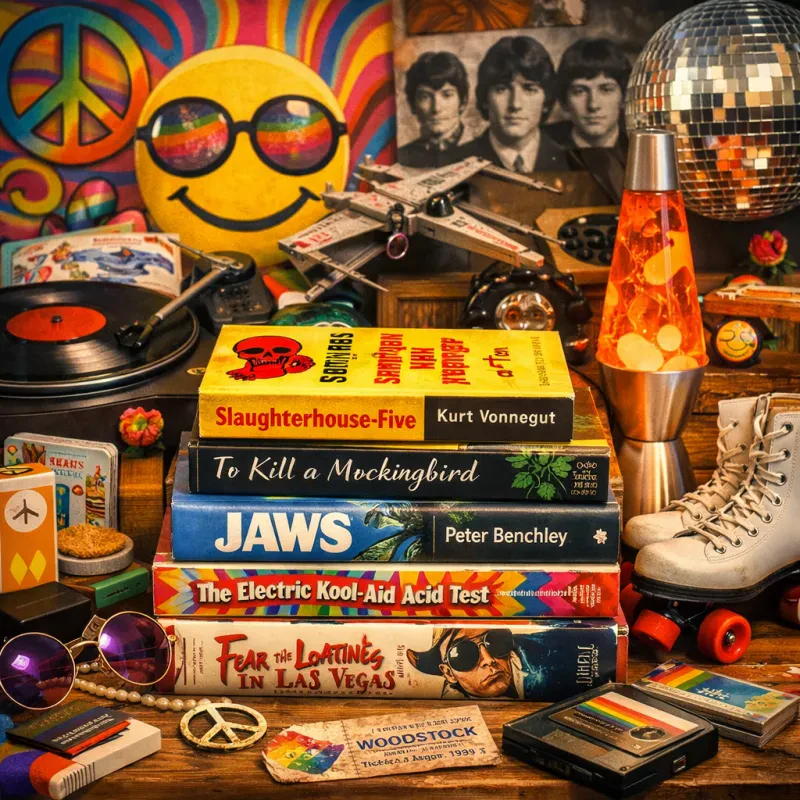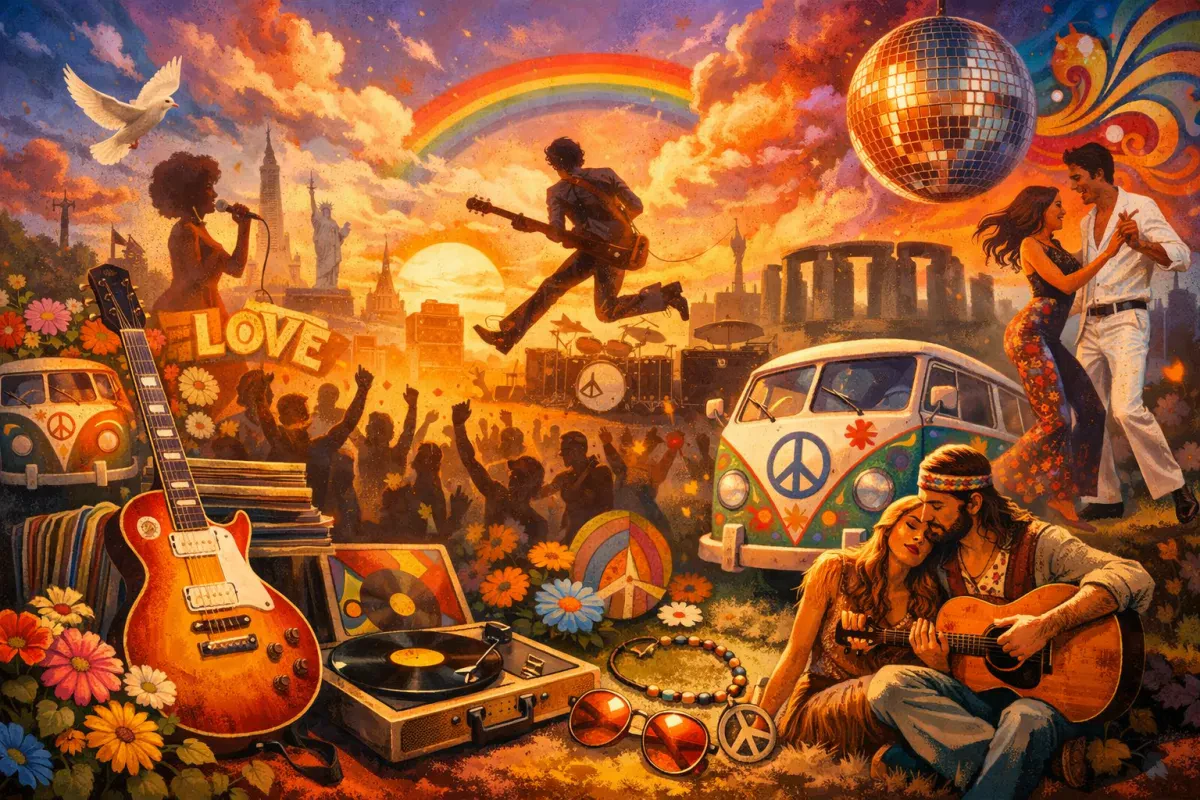
When you think about music in the 60s and 70s, it’s hard not to feel the energy that shaped a whole generation. This was a time of transformation, where rock, funk, soul, and pop collided, creating vibrant sounds that still echo today. Bands like The Beatles and The Rolling Stones not only changed music but influenced fashion, lifestyle, and even politics. Their catchy tunes and bold styles got young people excited about self-expression and rebellion.
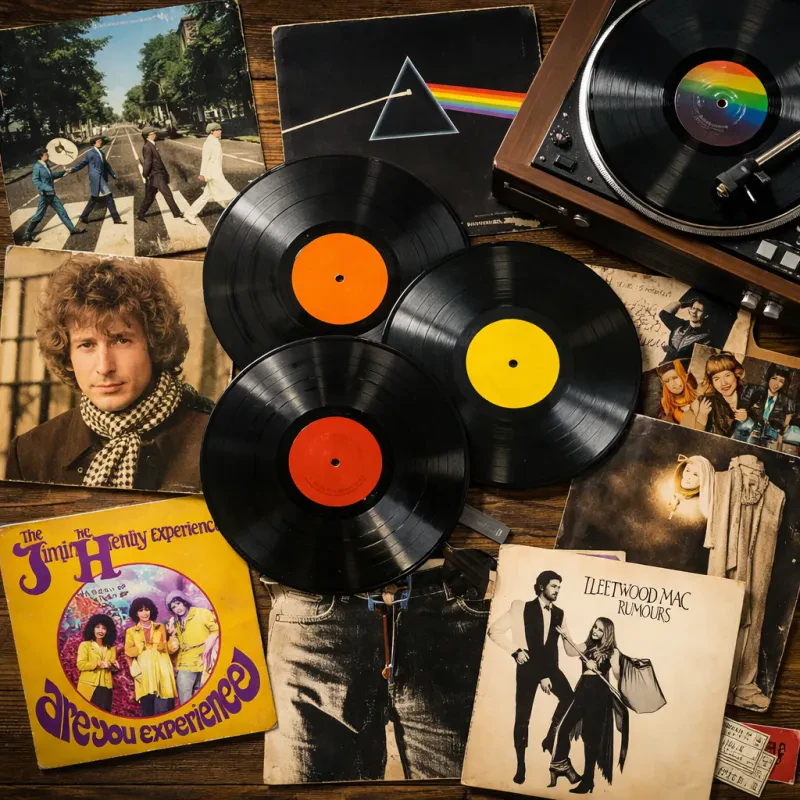
Remember the rise of psychedelic rock? It wasn’t just about the music; it was a whole cultural experience. Albums like "The Dark Side of the Moon" introduced groundbreaking concepts in sound and cover art, pushing boundaries further than ever before. This opened up new ways of thinking about what music could be, showcasing the true Impact Of 60s And 70s Music On Modern Culture. Many artists today cite these innovative sounds as inspiration.
And let’s not forget about the message behind the music. Artists like Bob Dylan and Joan Baez used their voices to speak out against injustice, war, and inequality. Their songs encouraged listeners to take a stand, sparking movements that would change society. This spirit of activism found its voice through melodies and lyrics, showing how powerful music can be in promoting change. You can easily feel the ongoing influence in modern day music where social issues are still front and center.
The funk movement, born from the sounds of the 70s, kept going strong, evolving into disco and hip-hop. The grooves from Earth, Wind & Fire or the beats of James Brown laid the groundwork for what we now hear in pop and rap music. Today’s artists still rely on those funky rhythms and catchy hooks, proving that the roots of modern music run deep into the rich soil of the late 20th century.
Icons That Shaped the Soundtrack
The 60s and 70s were a magical time for music. Icons like The Beatles, Jimi Hendrix, and Aretha Franklin not only transformed the sound of their eras but laid the groundwork for decades of music to come. These artists had a flair for pushing boundaries, and their tunes still resonate today.
Think about The Beatles. They weren’t just a band; they were a phenomenon. From catchy pop songs to deeper, experimental albums, their work influenced countless artists and genres. Hits like "Hey Jude" and "Let It Be" are timeless classics that anyone can groove to. Their impact on the sound and style of music is huge, and you can still hear their influence in modern tracks.
Then there's Jimi Hendrix, known for his electrifying guitar skills and bold sound. His performance at Woodstock is legendary, and tracks like "Purple Haze" and "Voodoo Child" redefined what rock music could be. Hendrix showed everyone that the electric guitar was more than just an instrument; it was a way to express revolutionary ideas. His influence is everywhere, even in today’s rock and pop music.
And let’s not forget about Aretha Franklin, the Queen of Soul. Her powerful voice and emotional delivery made songs like "Respect" anthems for change. Aretha didn’t just sing; she took a stand and inspired others to do the same. The Impact Of 60s And 70s Music On Modern Culture can be seen in the empowerment movements of today, influenced by her powerful messages and timeless music.
Songs That Sparked a Revolution
The 60s and 70s was a time of change and inspiration, and music played a huge role in that. The songs from this era didn’t just top the charts; they shook the very foundations of society. Artists used their voices to address issues like civil rights, war, and equality, leaving a lasting mark on our culture.
Take "Imagine" by John Lennon. This simple yet powerful song called for peace and unity. It struck a chord with so many people and still resonates today. You'll find its message in protests and movements that seek to bring about change. It’s a perfect example of how the impact of 60s and 70s music on modern culture continues to echo through the years.
Then there’s Bob Dylan’s "The Times They Are A-Changin'." This anthem became a rallying cry for social change. People turned to this song in difficult times, finding hope and motivation in its lyrics. It captured the spirit of the era, showing that music can inspire action.
Let’s not forget about the funk and rock influences that emerged during this period. Bands like The Rolling Stones and artists like Jimi Hendrix pushed boundaries and challenged norms. Their music laid the groundwork for countless genres that followed, proving how these artists transformed the sound and feel of popular culture. Just think about how today's music still borrows from that rich legacy!
Even pop hits like "I Want to Hold Your Hand" by The Beatles had a profound effect. They brought a sense of joy and excitement, inspiring the next generation of musicians to experiment and innovate. These tunes not only shaped the music of their time but also influenced everything that came after them, showing the undeniable impact of 60s and 70s music on modern culture.
How Music Influenced Fashion and Art
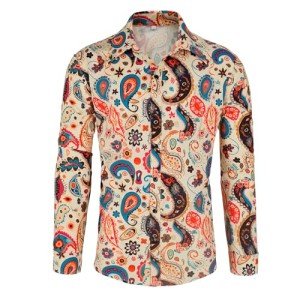
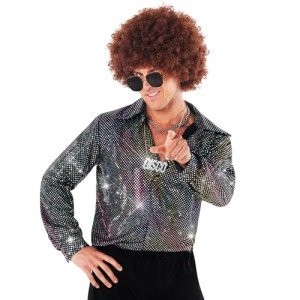
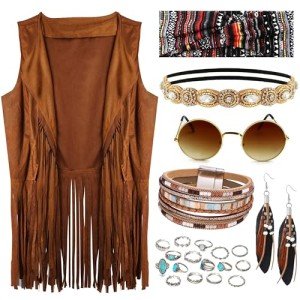
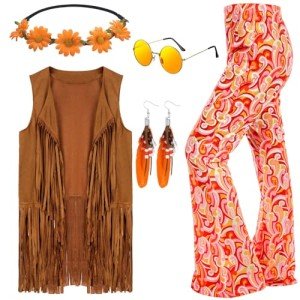
Music in the 60s and 70s wasn’t just something to listen to; it was a full-on movement that shaped how people dressed and expressed themselves. Think about it: artists like Jimi Hendrix and Janis Joplin didn’t just dazzle us with their tunes. Their wild hairstyles, bright colors, and unique styles sparked trends that echoed through fashion. Bell-bottoms, tie-dye, and flowers in your hair became symbols of the peace and love revolution.
As rock and folk music exploded in popularity, so did new forms of art. Bands like The Beatles were big on experimentation. They inspired a whole wave of psychedelic artwork filled with swirling colors and abstract shapes. This wasn’t just a visual feast; it reflected the groovy vibes of the music scene. Album covers turned into pieces of art themselves, with artists pushing boundaries to match the sounds.
The Impact Of 60s And 70s Music On Modern Culture is still visible today. Designers pull from retro styles, mixing vintage with contemporary looks. Plus, music festivals today often echo the larger-than-life spirit of the 60s and 70s, emphasizing self-expression through outfits that mix nostalgia with modern flair. So, whether it’s a festival outfit or a casual day look, music’s influence keeps shining through.
Fashion isn’t the only area that feels this connection. Dance and performance art also evolved dramatically during these decades. Think of the mesmerizing dances in music videos and live performances. The bold, expressive moves from these eras laid the groundwork for today’s dance culture. Styles that emerged back then still inspire today’s choreographers and performers.