The 60s and 70s were a time of change, and the novels from this era really reflected that vibe. These books tackled big issues like identity, race, and the human experience. They didn't just entertain; they opened up minds and sparked conversations that still echo today. Whether you were a flower child or a rebel, these stories helped shape the world around you.
One standout is "To Kill a Mockingbird" by Harper Lee. Released in 1960, it dives into themes of racism and moral integrity. The way it presents injustice through a child's eyes lets readers feel the impact of prejudice in a profound way. It’s a book that made waves and encouraged others to stand up against discrimination.
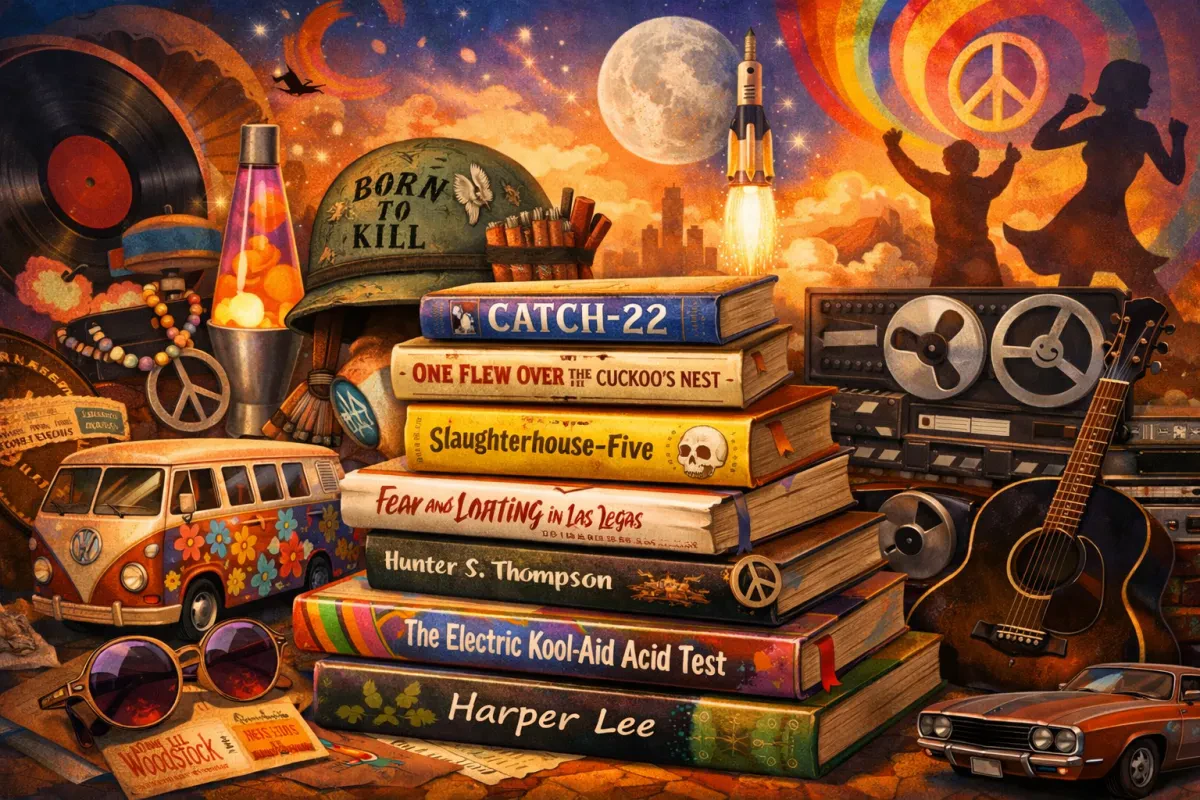
Then there's “Slaughterhouse-Five” by Kurt Vonnegut, published in 1969. This mind-bending novel blends sci-fi with war commentary in a style that feels like a wild ride. Vonnegut's take on free will, time, and the horrors of war challenged readers to think deeply about life and existence. This book became a must-read for anyone looking to understand the chaotic nature of the world around them.
These influential novels are just a few examples of the Books That Defined The 60s And 70s Pop Culture. They not only reflect the struggles and triumphs of their time but also push us to think critically about the world. These stories aren't just left on the shelf; they continue to inspire and challenge us today.
Iconic Authors of the 60s and 70s
The 60s and 70s were a wild time for literature, with authors breaking boundaries and exploring new ideas. Let's dive into some of the iconic voices that made waves during this vibrant period. These writers didn't just create stories; they captured the spirit of a generation and influenced everything from music to art.
First up, there's Kurt Vonnegut. His unique blend of dark humor and science fiction in books like "Slaughterhouse-Five" gave readers a new perspective on war and humanity. Vonnegut asked tough questions while keeping readers engaged, making his work both thought-provoking and downright entertaining.
Don't forget about Joan Didion, whose sharp observations in "Slouching Towards Bethlehem" painted a vivid picture of life in California during the 60s. Her essays explored everything from the counterculture to personal experiences, connecting readers to the political and social upheaval of the time. Didion's voice is still influential today, reminding us how important personal narrative can be in understanding broader cultural shifts.
Then there's Tom Wolfe, who brought the New Journalism movement to life with books like "The Electric Kool-Aid Acid Test." His immersive style helped readers experience the counterculture of the time up close. Wolfe didn’t just tell stories; he put you right in the middle of the action, capturing the essence of the psychedelic era.
These iconic authors, along with many others, wrote the books that defined the 60s and 70s pop culture. Their words continue to resonate, reminding us of a time when literature challenged ideas and pushed boundaries. If you’re looking to explore this transformative era, checking out their work is a must!
Classic Stories That Sparked Movements
When you think about the books that defined the 60s and 70s pop culture, some iconic titles definitely come to mind. These weren't just stories—they were movements. They challenged norms and stirred conversations everywhere, from cafe discussions to protests in the streets.
One standout is "On the Road" by Jack Kerouac. This book captured the spirit of freedom and adventure that many sought during the beat generation. Its portrayal of road trips and spontaneous escapades resonated with those craving a break from conventional life. It wasn’t just a novel; it was a call to explore and embrace new experiences.
Then there's "To Kill a Mockingbird" by Harper Lee. This timeless tale tackled heavy topics like racism and morality through the eyes of a child. It became essential reading not just in schools but within the movement for civil rights. People started to reflect on their own beliefs and the injustices around them, proving that books can spark real change.
Don't forget about "The Feminine Mystique" by Betty Friedan. Published in 1963, it inspired women to question their roles in society and paved the way for the feminist movement. Many readers found their own feelings reflected in its pages, and it motivated countless women to seek equality and independence.
These books aren’t just part of literary history; they shaped the mindset of a generation. They pushed boundaries and asked tough questions, helping to redefine what pop culture really means. Whether you’re diving into these classics for the first time or revisiting them, they truly embody the essence of the books that defined the 60s and 70s pop culture.
Timeless Themes in 60s and 70s Literature
The 60s and 70s were explosive years for literature. Authors tackled themes that resonated with the social and cultural shifts happening all around them. These books offered a mirror to society, capturing the excitement, turmoil, and transformation of the times. If you want to understand what made the era tick, you’ve got to dive into these stories.
Many works from this period explored identity and the search for meaning. Think of the counterculture movement and how it sparked wide-ranging questions about individuality and conformity. Books like “On the Road” by Jack Kerouac celebrated freedom and the open road, while “The Bell Jar” by Sylvia Plath examined the struggles women faced in a rapidly changing world. These themes still resonate today, making them essential reads.
Another huge theme was rebellion against authority. Writers like Kurt Vonnegut and Hunter S. Thompson brought gritty, satirical perspectives on government and society. “Slaughterhouse-Five” and “Fear and Loathing in Las Vegas” pushed boundaries, questioning traditional values and poking fun at societal norms. These books didn’t just entertain; they urged readers to think critically about the state of their world.
Let’s not forget the boom in science fiction and fantasy during this time. Writers like Ursula K. Le Guin and Isaac Asimov took readers on incredible journeys, using imaginative worlds to explore complex ideas about humanity and morality. These were not only fun escapes but also deep reflections on society. They remain important works among the “Books That Defined The 60s And 70s Pop Culture.”
As you leaf through these literary gems, notice how they capture the spirit of a unique moment in time. The boldness of the characters, the daring plots, and the unforgettable messages have all left a lasting mark on our culture. These pages tell a story that’s still relevant, making them true classics you won’t want to miss.